Master Your House Hunt: Key Questions for Savvy Homebuyers
Embarking on your homebuying journey? Unlock the answers to essential questions and conquer challenges to find your perfect home with confidence.
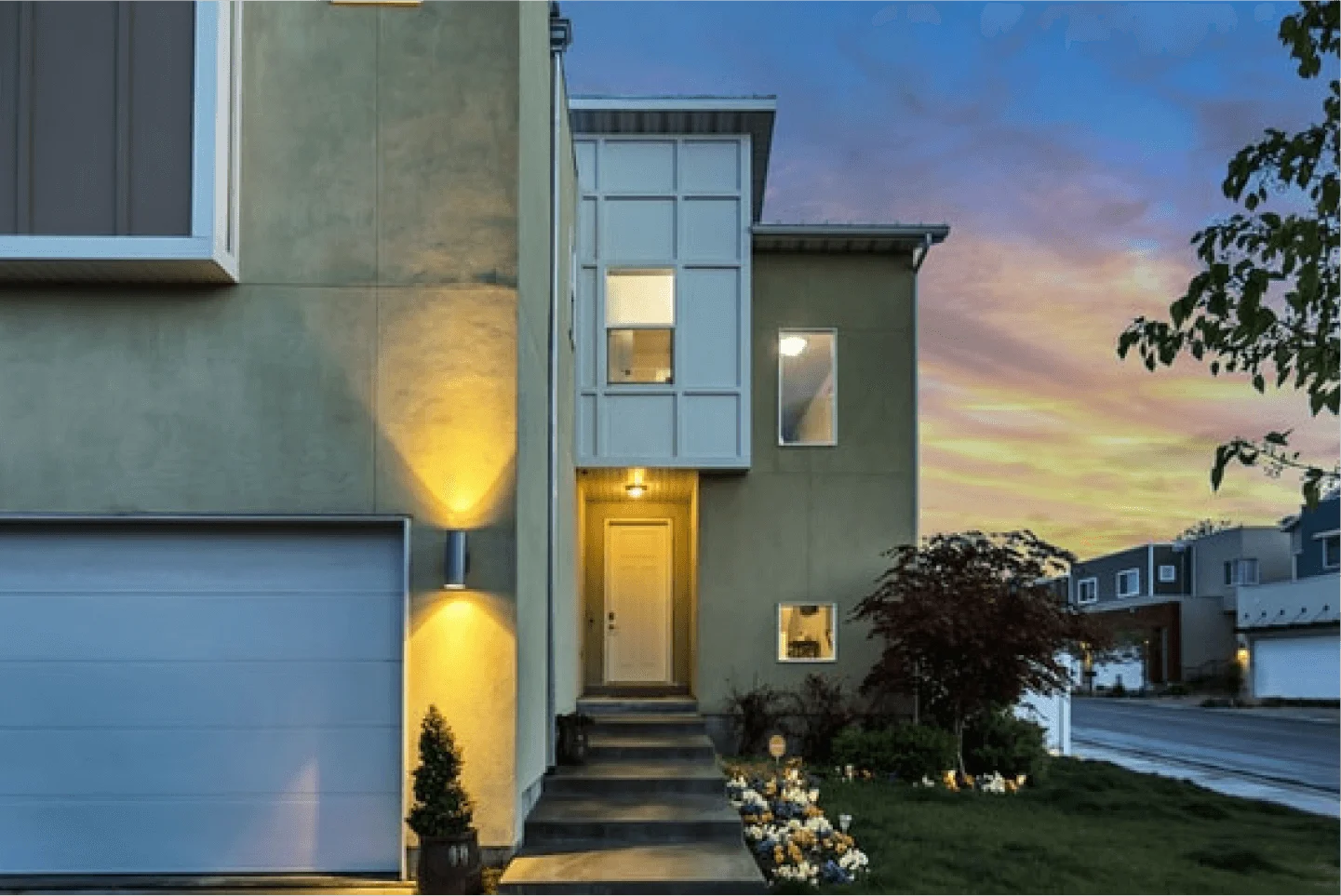
Finding the right home can be both exciting and overwhelming. As a savvy homebuyer, it's essential to ask the right questions during your house hunt. By understanding what to look for and what to consider, you can make informed decisions that align with your needs and goals. Let’s explore some key questions to help you navigate your house hunt effectively.
First and foremost, think about your budget. Have you determined how much you can afford? Knowing your budget is crucial as it will help narrow down your options. You should consider not just the price of the home but also related costs such as taxes, insurance, and maintenance. A good rule of thumb is to aim for a monthly housing payment that doesn’t exceed 28% of your gross monthly income. This figure provides a guideline to ensure that your housing costs remain manageable within your overall financial picture.
Next, consider your financing options. Have you spoken to a mortgage loan officer about different types of loans available to you? Understanding the differences between fixed-rate and adjustable-rate mortgages is vital. Fixed-rate mortgages offer stability with consistent payments over time, while adjustable-rate mortgages may start lower but can change based on market conditions. It’s also important to know the impact of your credit score on your loan options. Higher credit scores typically lead to better rates and terms. A thorough discussion with a loan officer can provide insights tailored to your specific situation.
Another important question to ask yourself is: what are your must-haves in a home? Make a list of features that are non-negotiable for you. This could include the number of bedrooms and bathrooms, a backyard, a garage, or proximity to schools and public transport. By identifying your priorities early on, you can streamline your search and focus on homes that truly meet your needs.
Location is another critical factor. What neighborhoods are you considering? Researching the areas you are interested in can save you time and ensure you find a community that fits your lifestyle. Look into local amenities, schools, crime rates, and future development plans. These elements can significantly influence your living experience and resale value in the future.
Have you thought about what the future may hold? Consider your long-term plans. Are you planning to start a family or change jobs? Your home should accommodate your future needs as much as your current ones. If you anticipate that your circumstances may change, think about how flexible the home you are considering is. This foresight can help you avoid the hassle of moving again too soon.
Now, let’s talk about the condition of the home. Have you requested a home inspection? A professional inspection can uncover hidden issues that may not be obvious during a casual walkthrough. These can include problems with the roof, plumbing, electrical systems, and more. Knowing the state of the home before purchase can help you make an informed decision and negotiate repairs or price adjustments if necessary.
When you find a home that you like, it’s wise to ask: how long has it been on the market? Homes that remain unsold for an extended period might indicate issues, whether that be pricing, condition, or location. Understanding the market dynamics in your area can help you make a competitive offer. It’s also essential to consider the seller’s motivation. Are they looking for a quick sale, or can they afford to wait for a higher offer? This insight can guide your negotiation strategy.
Additionally, are you aware of the costs associated with buying a home? Beyond the purchase price, there are closing costs, which can include loan origination fees, title insurance, and appraisal fees. Understanding these expenses can prevent surprises later in the process. Discuss these costs with your mortgage loan officer to clarify what you can expect.
It's also important to consider the type of home you wish to buy. Are you looking for a single-family home, a condo, or perhaps a townhouse? Each option has its pros and cons. Single-family homes offer more privacy and space, while condos might provide amenities and less maintenance. Knowing what suits your lifestyle best will help refine your search.
How do you feel about homeowner associations (HOAs)? Some neighborhoods have HOAs that require fees and have rules about property upkeep. Knowing the rules and costs associated with HOAs can be a significant factor in your decision-making process. Some people appreciate the guidelines and communal amenities that HOAs provide, while others prefer the freedom of owning a property without such restrictions.
Lastly, consider the timing of your purchase. Are you aware of the seasonal trends in the real estate market? Typically, spring and summer see more listings, while fall and winter may offer fewer choices but potentially less competition. Understanding these trends can help you decide when to begin your search.
As you navigate your house hunt, remember that asking the right questions is just as important as finding the right answers. Each of these considerations plays a crucial role in helping you make an informed decision about your future home.
If you have specific needs or questions about your mortgage options or the home-buying process, don't hesitate to reach out. I'm here to help you understand your choices and guide you through this exciting journey.